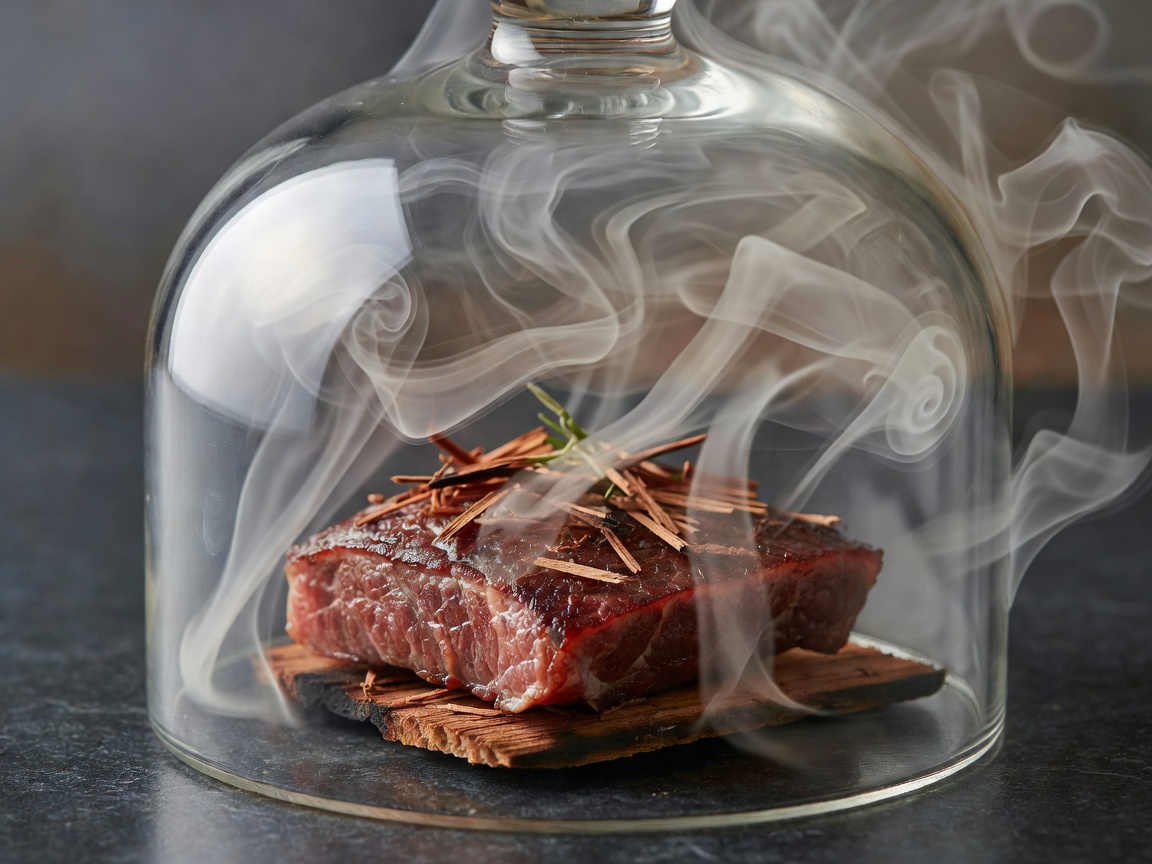
Gastronomy has permanently breached the perimeter of the dinner plate. Pioneer projects like Heston Blumenthal’s Sound of the Sea at The Fat Duck or Paul Pairet’s Ultraviolet in Shanghai proved that human flavor perception is profoundly crossmodal. The sound of breaking ocean waves delivered via headphones amplifies perceived salinity, while low-frequency auditory rumbles heighten bitter chocolate notes. Today, this cognitive science has shifted from bespoke avant-garde stunts into an intentional design vocabulary across global dining.
Acoustic Architecture and Psychoacoustics in Hospitality
Historically, dining room acoustics were an afterthought, resulting in abrasive drywall reverberations that forced diners to shout over one another. Contemporary experiential dining treats room acoustics as an active ingredient. Directional parabolic speakers positioned directly above individual tables can localize discrete acoustic environments without bleeding into neighboring parties.
Research led by sensory psychologists such as Charles Spence has demonstrated that tempo, timbre, and pitch directly influence mastication speed, wine consumption velocity, and perceived sweetness. Restaurants targeting contemplative three-hour tasting experiences calibrate their soundscapes down to specific frequency curves, dampening frequencies that cause mental fatigue while enhancing mid-range tones that make dining room conversations feel intimate and focused.
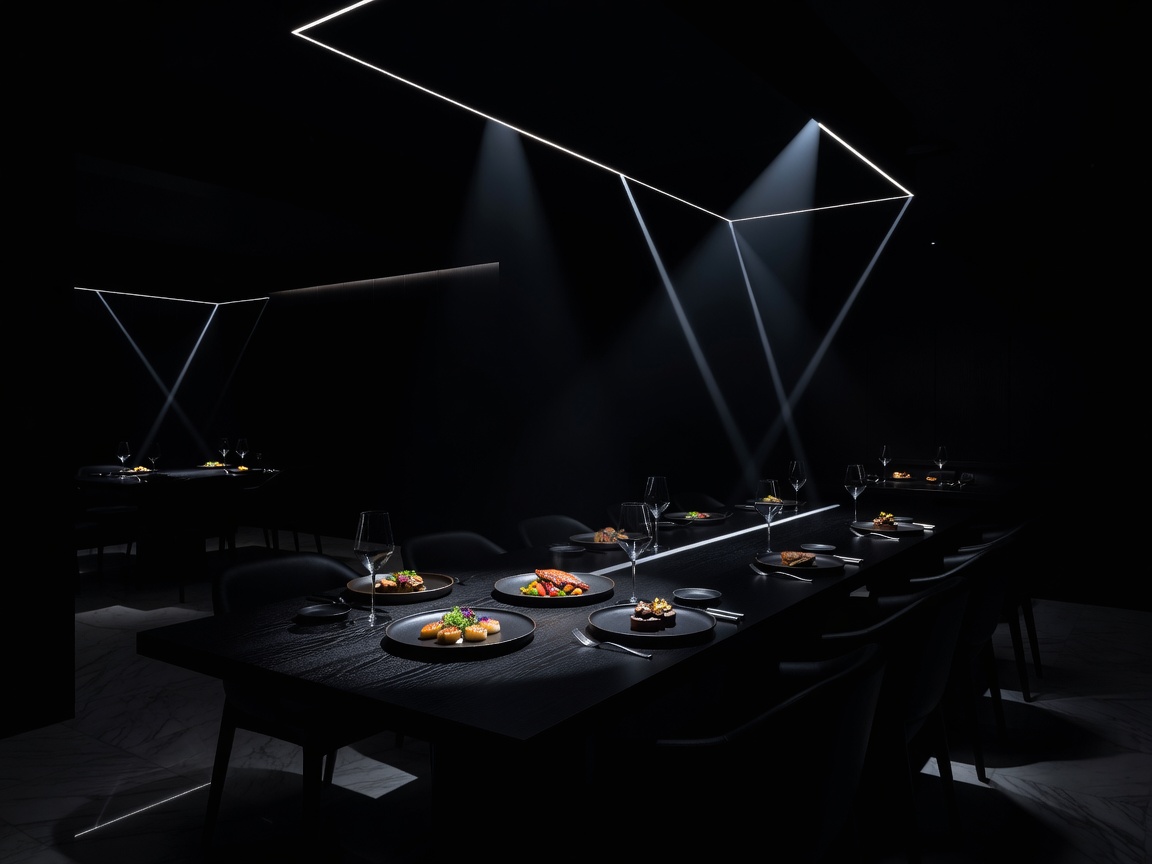
Projection Mapping: Narrative Immersion Versus Theme Park Gimmickry
Visual technology in dining walks a precarious tightrope. Projection mapping on tabletop surfaces—where animated mini-chefs cook digitally across tablecloths—frequently devolves into superficial distraction that degrades the culinary integrity of the dish. Diners end up looking at animated pixels rather than appreciating the texture, aroma, and temperature of the food before them.
The mature implementation of visual projection operates subliminally. Instead of cartoon narratives, leading studios use subtle ambient shifts: warming color temperatures as a rich game course arrives, gentle shifts in background luminescence that mimic dusk transitioning to midnight, or textural projections confined to surrounding room walls that evoke the regional terroir of the ingredients being served. The technology functions as environmental architecture, enhancing the course rather than competing with it.
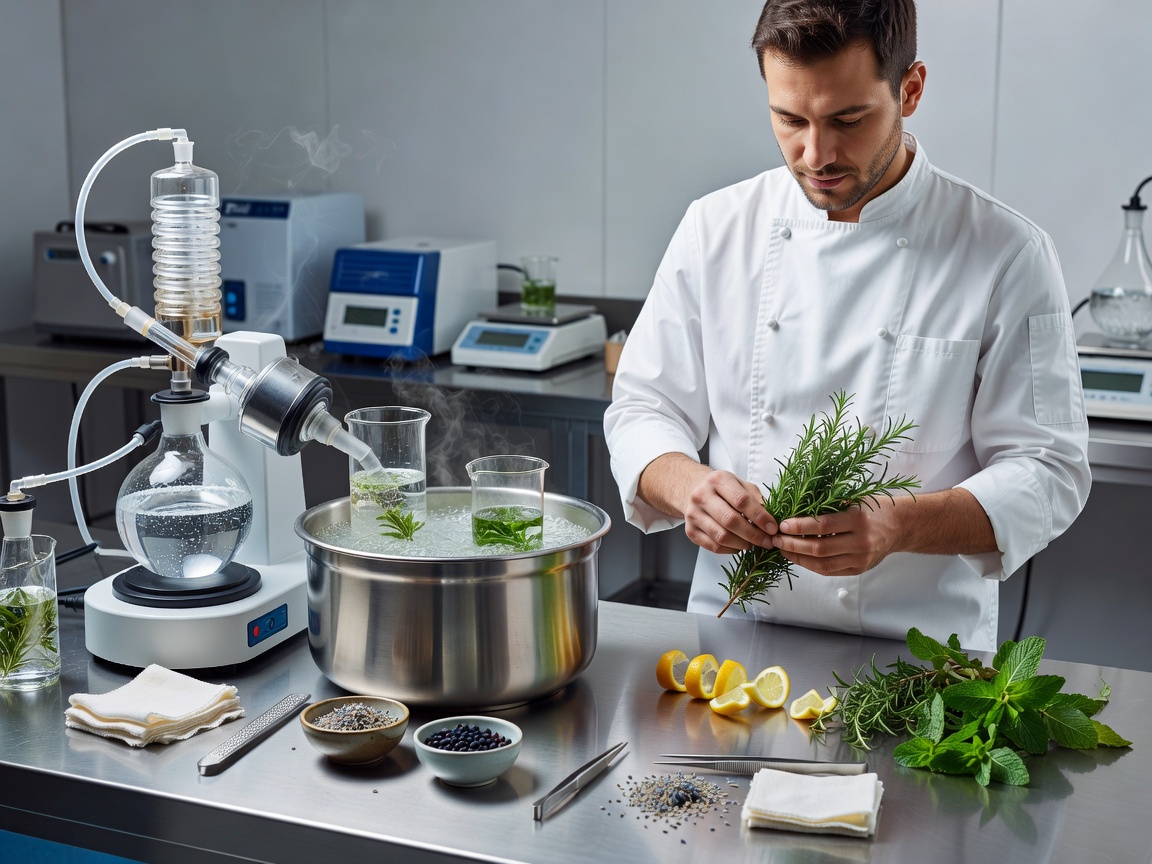
Botanical essence vaporization introduces volatile terpenes into the dining atmosphere seconds prior to service.
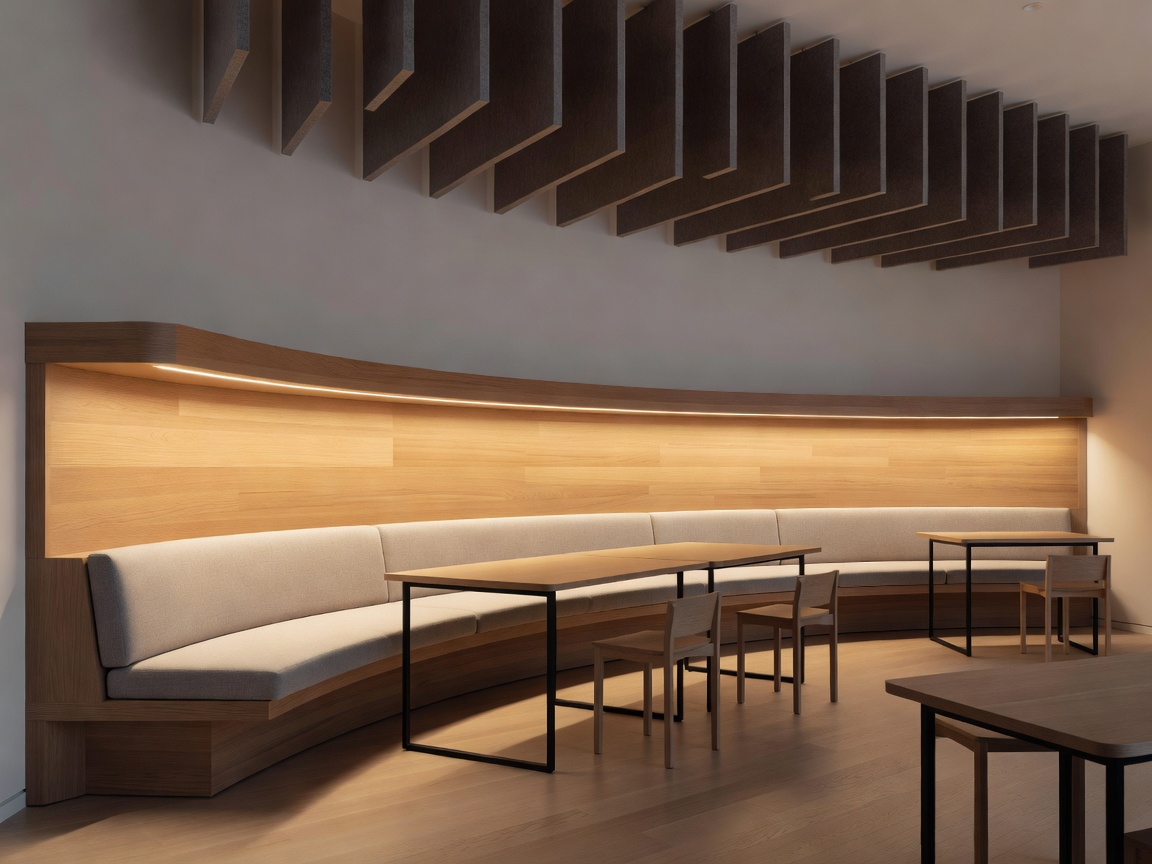
Carefully managed spatial proportions reduce environmental anxiety, allowing complex flavour combinations to register fully.
Olfactory Delivery and Temperature Choreography
The human olfactory system fatigues rapidly when exposed to continuous ambient aromas. To prevent sensory adaptation, modern experiential meals deliver scent pulses with clinical timing. Ultrasonic nebulizers hidden within service pedestals release hyper-concentrated scents of rain-soaked petrichor, pine needle smoke, or toasted yeast precisely as a cloche is lifted.
This olfactory precision is paired with deliberate thermal contrasts. Serving a frozen citrus sphere floating atop a piping hot spiced broth creates trigeminal thermal stimulation that heightens sensory alertness. When diners are pulled out of passive consumption by sudden sensory contrasts, their analytical engagement with the meal deepens dramatically.
Examine the Frictionless Service Architecture
Multisensory experiences collapse if transactional service friction interrupts the narrative flow. Discover the smart payment and reservation systems keeping operations invisible.
Read Smart Dining Systems →