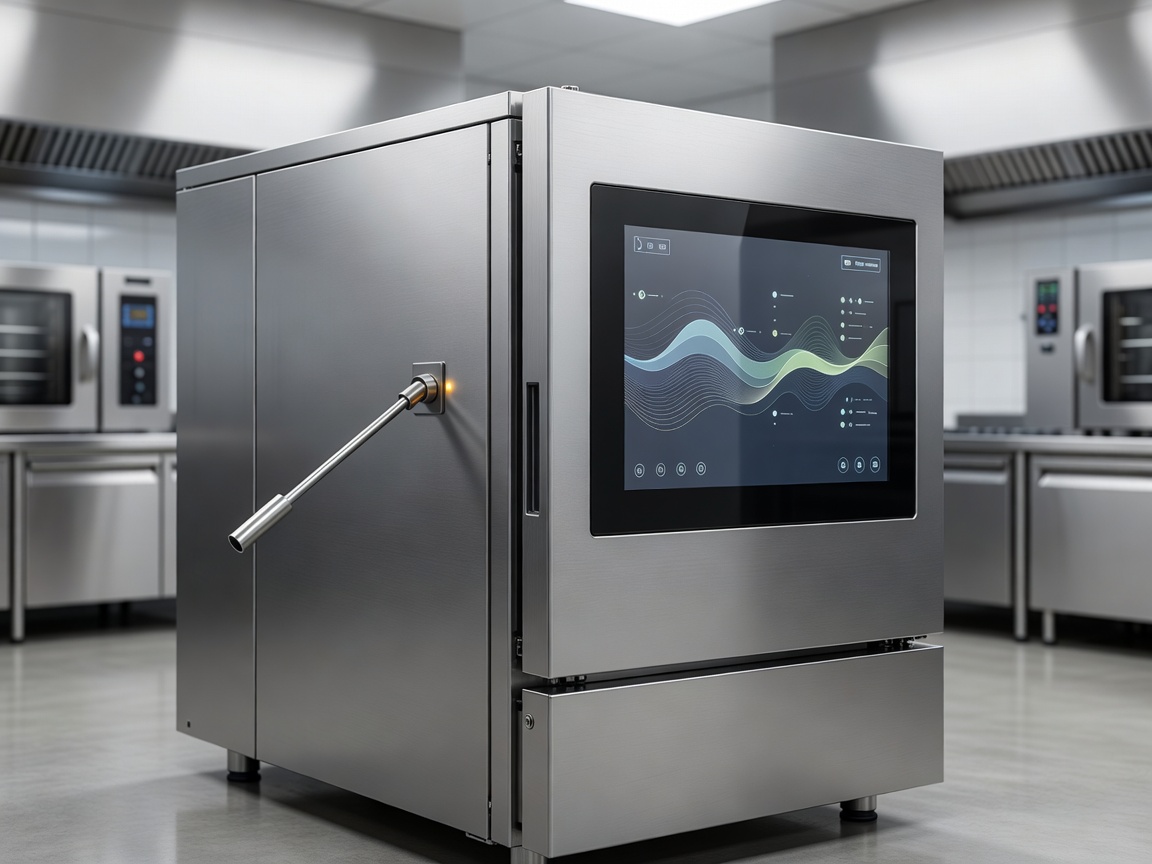
Inside high-output commercial dining, culinary technique has become inseparable from thermodynamic telemetry. The archetype of the veteran cook gauging oil temperature by watching smoke wisps or assessing protein doneness with a thumb press is being systematically replaced by multisensor probes, precision steam injection, and computer vision pass checks. This transition is not driven by an affection for gadgetry, but by the relentless mathematics of restaurant margins.
Combi Steam, Cloud Telemetry, and Consistency
The modern rational combi-steamer represents the single most impactful kitchen hardware leap since the gas range. Modern units from manufacturers like Rational, Alto-Shaam, and Unox are no longer passive heat boxes; they are networked environmental chambers capable of altering relative humidity percentages within tenths of a second. A single pastry batch or forty pork bellies can be programmed from a centralized operational dashboard in a regional commissary and pushed down to twelve restaurant units simultaneously.
Sensors track moisture loss across the meat surface, modulating airflow to ensure identical Maillard reaction yields across every shift. By removing the variable of human distraction during high-volume rushes, combi systems minimize food waste and free senior chefs to direct their attention toward intricate garnishing and sauce development rather than basic thermal custody.
Robotic Stations: Narrow Utility Versus Marketing Grandeur
Over the past seven years, substantial capital flowed into humanoid kitchen robotics designed to flip burgers or assemble noodle bowls with theatrical flourish. The majority of these projects collapsed due to kinematic complexity: an articulated robotic arm capable of dexterously gripping delicate heirloom tomatoes without bruising them while handling seventy-degree frying pans requires astronomical capital expenditure and frequent maintenance.
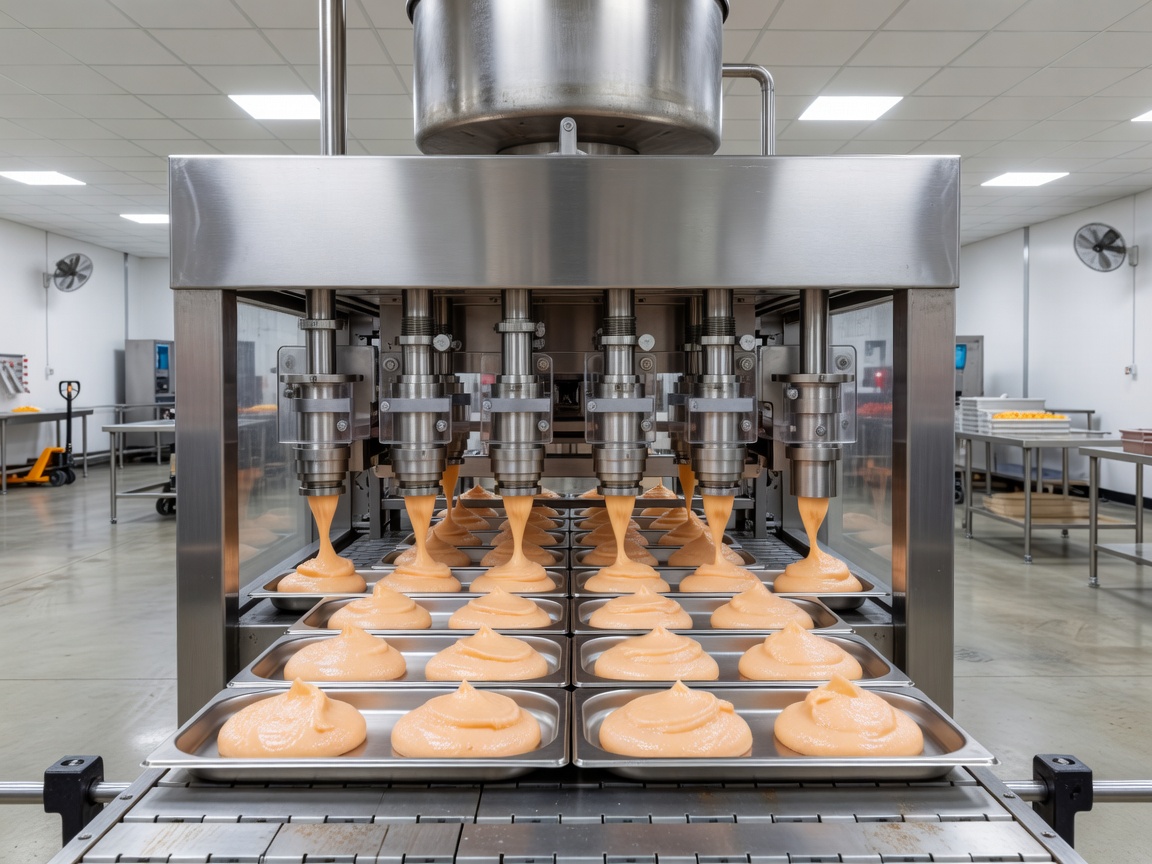
Where robotics genuinely succeeds in the kitchen is in closed-loop, mechanically constrained environments. Automated rotisseries, continuous high-velocity fryers with integrated oil quality spectrometers, and automated wok tumblers have quietly established roots. An automated wok can reproduce the high-heat searing motions of Cantonese cooking continuously for eight hours without exposing line cooks to chronic shoulder injuries or burns. The machine handles the kinetic repetition; the chef regulates seasoning, timing, and raw ingredient quality.
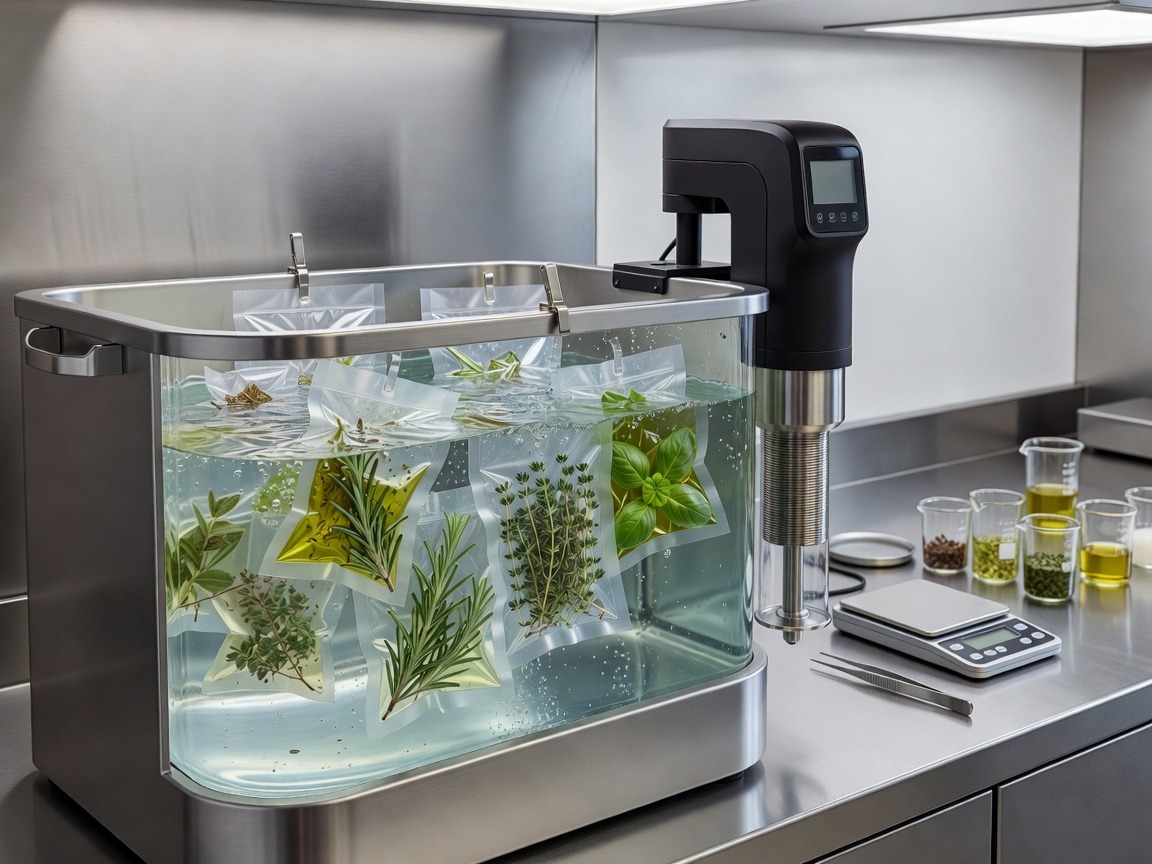
Thermal stability within 0.1°C enables total enzymatic control over starch gelation and connective tissue breakdown.
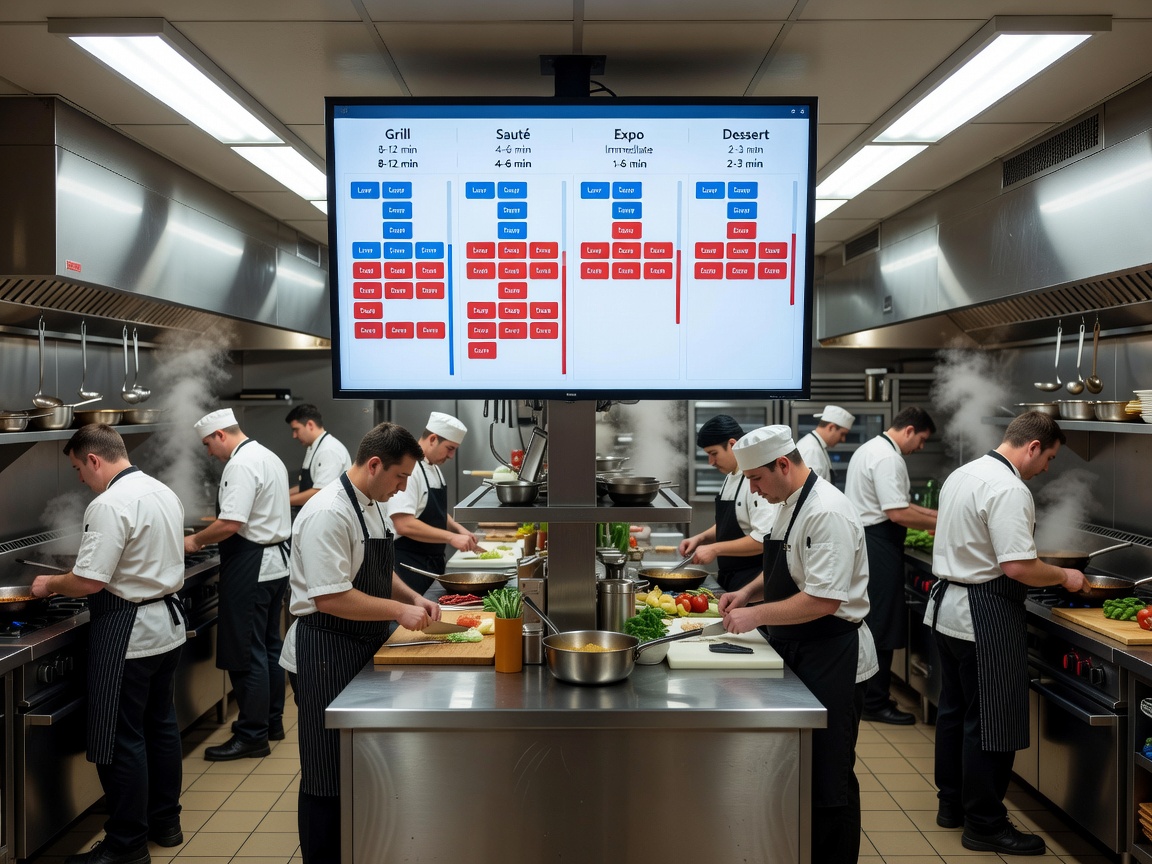
Kitchen Display Systems (KDS) dynamically throttle incoming order tickets based on line station bottleneck metrics.
Computer Vision and the Pass-Through QC Gate
The final threshold of the kitchen—the expeditor's pass—is adopting machine vision. Overhead optical arrays trained on thousands of standard plating references now inspect completed dishes before the runner collects them. If a sauce splatter breaks border margins, if a side component is absent, or if the temperature falls below specified thresholds under infrared thermography, the line expediter is alerted instantly.
This automated quality assurance creates tension. While it guarantees visual consistency across multi-outlet operations, it risks turning culinary artistry into sterile assembly-line manufacturing. The culinary leaders navigating this landscape successfully treat vision systems as guardrails against catastrophic error during peak rushes, not as replacements for human palate checks.
From Kitchen Sensors to Guest Sensations
Explore how advanced technologies shift from operational back-of-house utility to artistic front-of-house multisensory performance.
Explore Culinary Experiences →