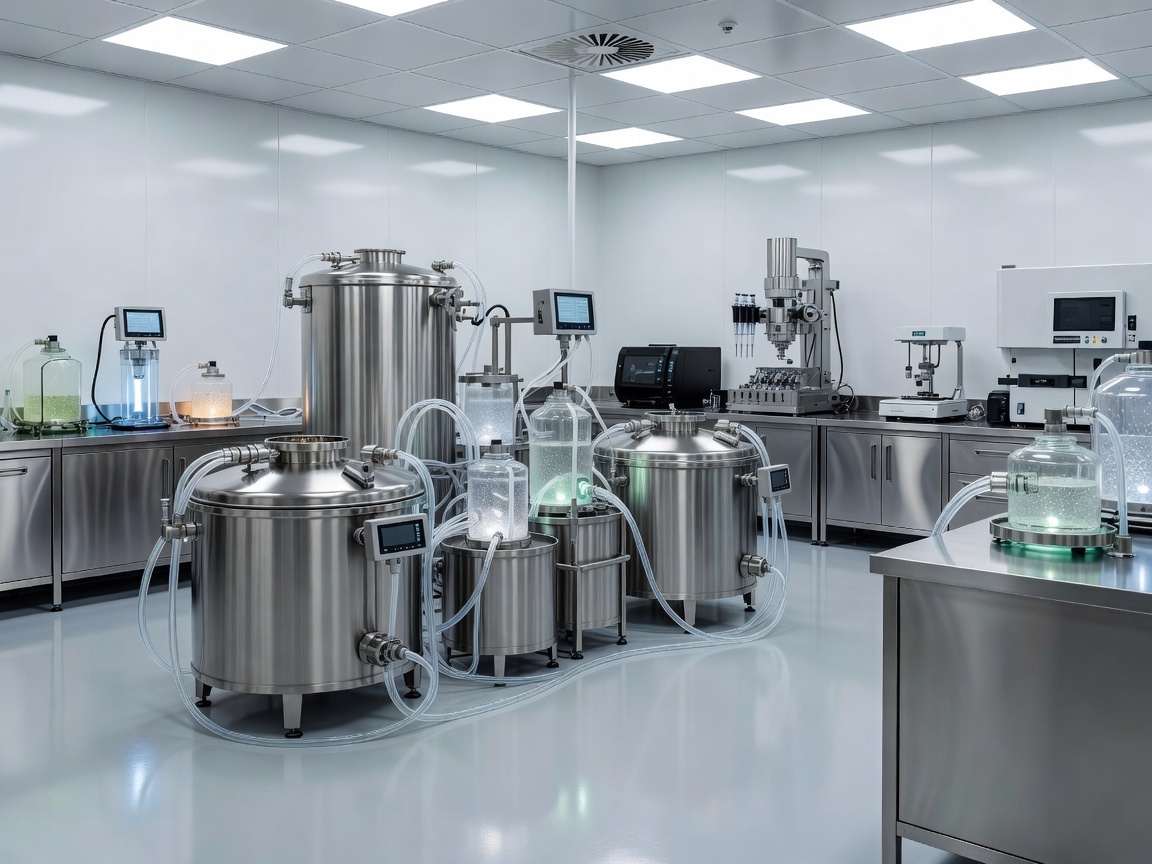
The conversation around future food has matured beyond the first-wave plant burgers that dominated commercial supermarkets in the late 2010s. Those early formulations relied on high-sodium extrusion techniques and methylcellulose binders to mimic minced beef, achieving passable texture while struggling with lingering off-flavors and high processing footprints. The current frontier of culinary biotechnology operates on a far more sophisticated cellular and molecular level.
Precision Fermentation: The Real Dairy Disruption
Unlike cultivated animal muscle, which faces steep bioreactor scaling and media cost hurdles, precision fermentation is already proving itself commercially viable. By inserting bovine DNA sequences into microflora such as Trichoderma reesei or engineered yeasts, bio-manufacturers produce genuine beta-lactoglobulin and casein proteins without raising cows.
To an executive pastry chef or maître fromager, this distinction is fundamental. Plant-based milk alternatives lack the functional micellar casein structures required for cheese stretching, melting, and enzymatic coagulation. Recombinant dairy proteins undergo identical rennet curdling and cheese cave aging processes as traditional cow milk, yielding genuine brie, parmesan, and mozzarella textures while requiring an order of magnitude less fresh water and arable pasture.
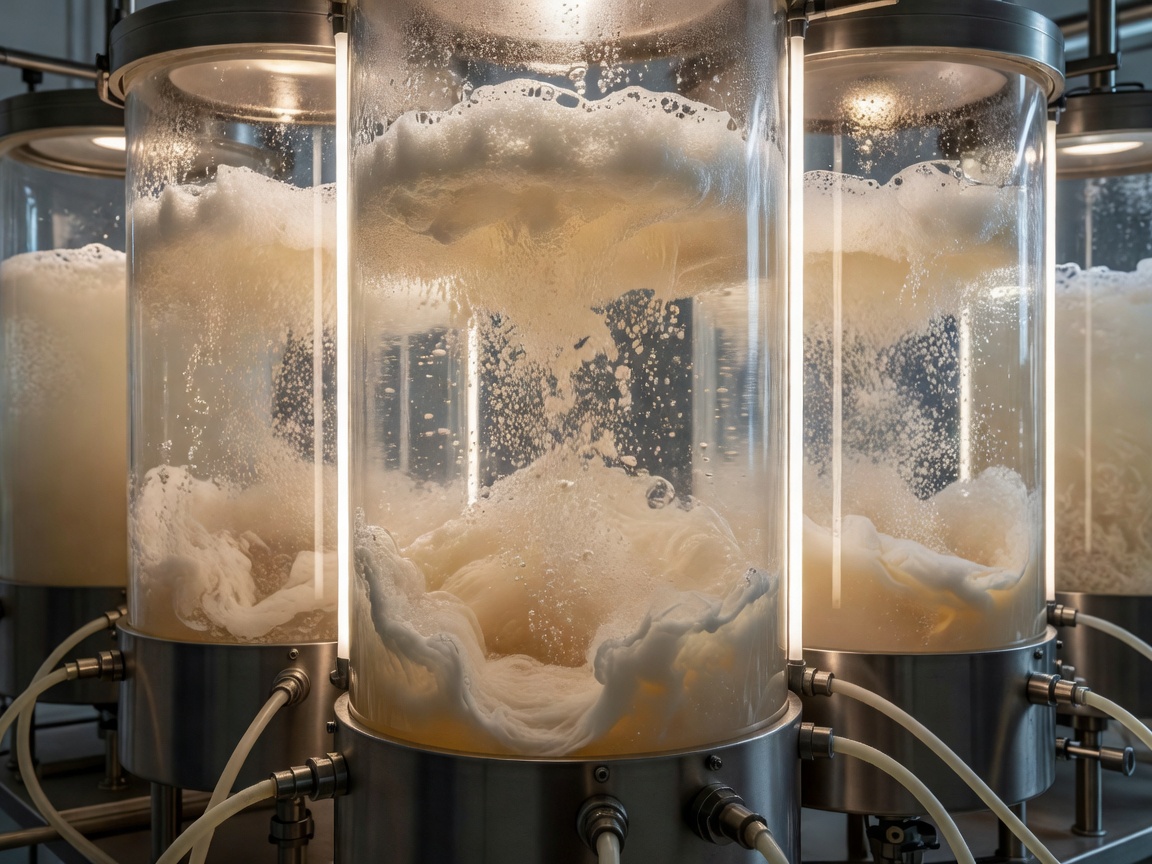
Solid-State Mycelium Scaffolding
The structural challenge of whole-cut alternative meats—such as a marbled sirloin or chicken breast—lies in fibrous alignment. Muscle tissue is an intricate weave of aligned fibers, adipose deposits, and collagen connective sheets that cannot be replicated through simple extrusion nozzles.
Mycelium, the root structure of filamentous fungi, provides a natural organic lattice. Grown on agro-industrial side streams like spent brewer's grain or sugar beet pulp, fungal hyphae naturally knit into dense, fibrous sheets that mimic the directional bite of poultry or pork. Companies like Meati Foods and Better Meat Co. leverage solid-state fermentation to cultivate dense protein slabs in less than a week, creating whole-cut culinary foundations that brown and caramelize through standard culinary cooking techniques.
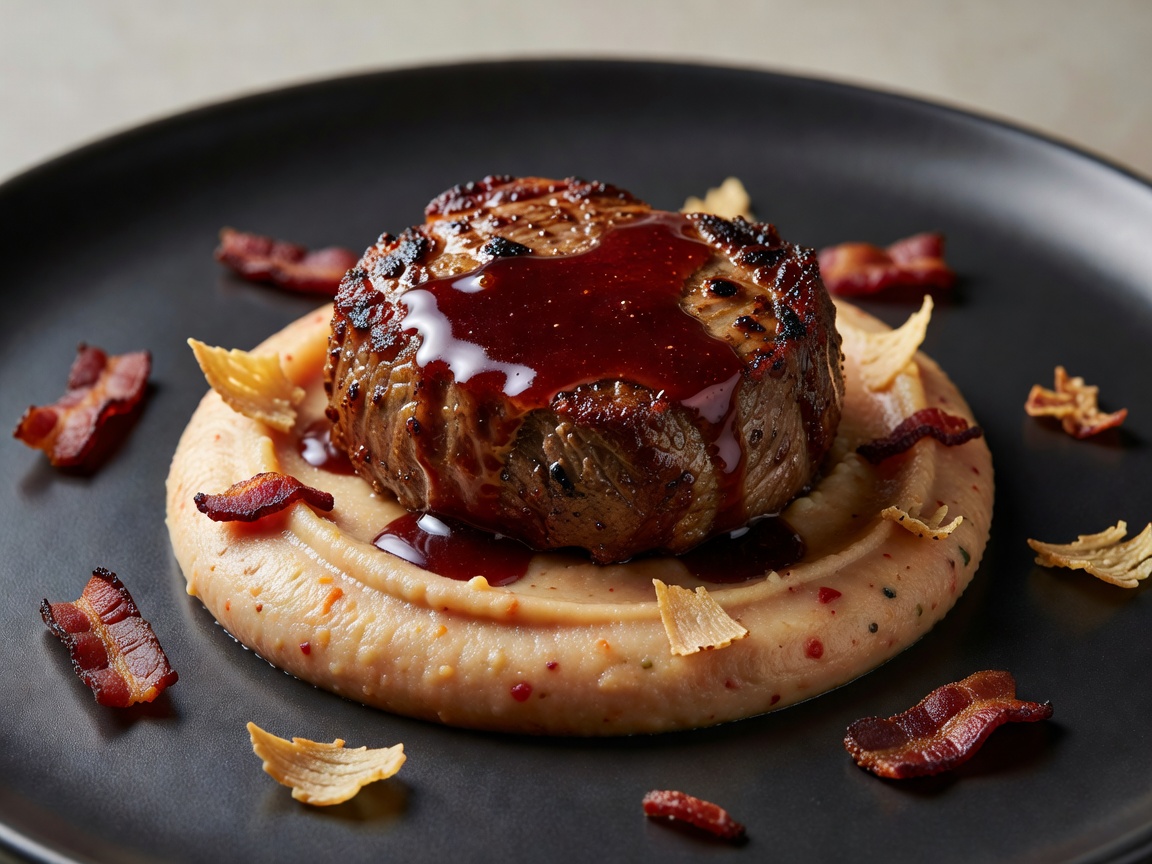
Mycelium matrices retain moisture effectively under direct hearth heat, offering chefs a clean culinary canvas for reduction sauces.
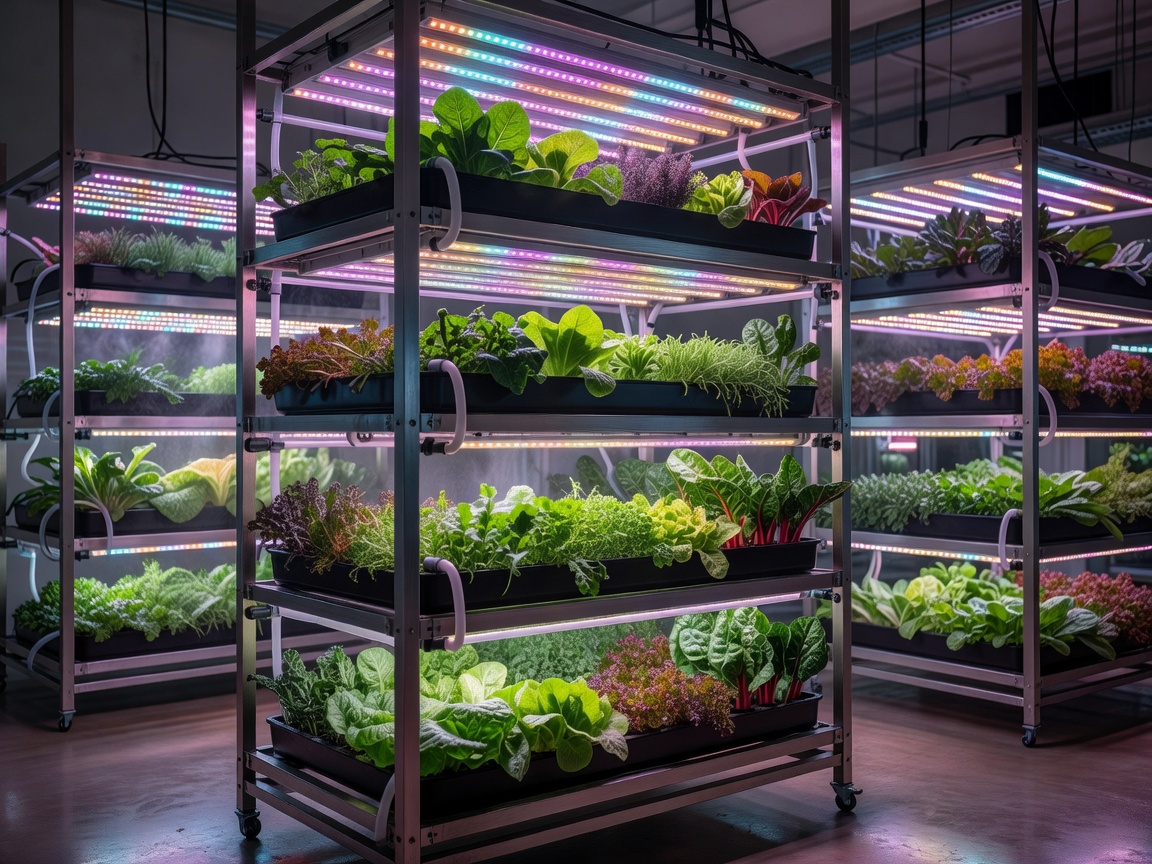
Controlled-environment vertical farming delivers year-round aromatic herbs directly into restaurant service lines without pesticide runoff.
Cultivated Meat: The CapEx and Energy Reality
Cultivated meat—growing real animal muscle and fat cells in sterile bioreactor vessels—has achieved historic regulatory clearances in Singapore and the United States. Fine dining establishments have staged symbolic tasting services with cultivated quail and chicken cutlets. However, sober engineering audits emphasize the immense challenges ahead.
Bioreactors require pharmaceutical-grade sterility, expensive fetal bovine serum alternatives, and massive electrical baseloads to maintain 37°C cellular respiration. Scaling from five-liter benchtop flasks to fifty-thousand-liter industrial fermenters without bacterial contamination requires billions in capital infrastructure. The consensus among independent food scientists is that cultivated cell lines will serve primarily as flavor-enhancing lipid fats blended into plant or mycelium bases, rather than standalone cheap cuts.
Connect With Our Editorial Desk
Have operational data, research papers, or food systems analysis you want to submit to our editorial review board?
Reach Editorial Desk →