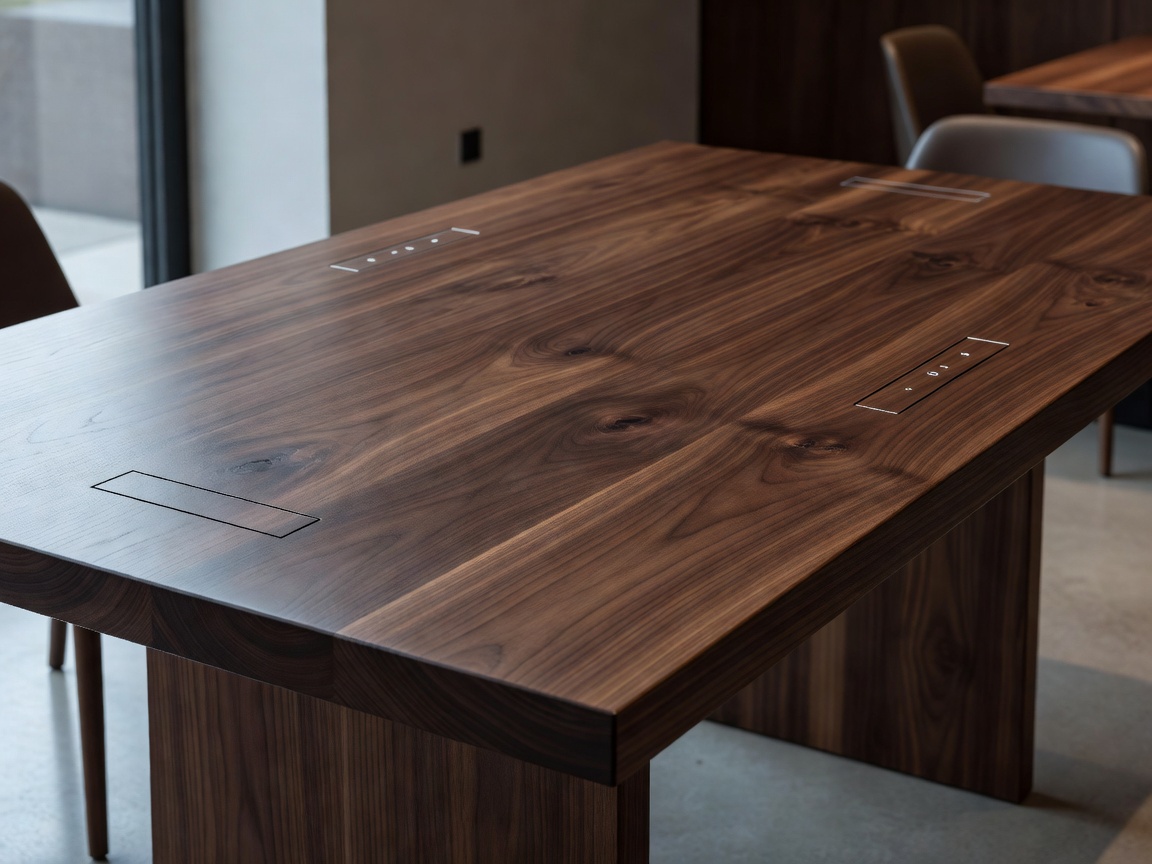
The hospitality sector spent three decades treating point-of-sale systems as clunky electronic cash registers relegated to service stations in corners of the room. Today, the POS is no longer an isolated accounting machine; it is an active cloud engine bridging inventory databases, kitchen display schedules, guest relationship files, and instant payment settlement. This transformation has introduced unprecedented operational efficiencies while challenging the emotional foundation of personal service.
The Real Mechanics of Contactless Settlement
The most painful friction point in traditional dining has always been the conclusion of the meal. The ritual of requesting the paper check, waiting for the server to fetch a leather wallet, dropping a credit card, waiting for the terminal to be brought back, and signing a printed slip routinely consumes twelve to twenty minutes. In high-turnover brasseries, this dead time wrecks table yield and leaves guests feeling stranded.
Contactless settlement systems—such as Sunday, SundayApp, and embedded Apple Pay or Google Pay table tokens—eliminate this ritual entirely. By associating a table's open ledger with a secure QR hash or near-field communication (NFC) pad, diners review their live tab, split items among dining companions with a fingertip swipe, calculate custom tip percentages, and depart at their own convenience. Independent operators report table-turn time reductions averaging fifteen minutes during peak lunch windows.
Dynamic Menus Tied to Real-Time Inventory
In high-end cooking, menu items sell out. In conventional dining rooms, a line cook yells "86 halibut" across the kitchen pass, the expediter relays it to the floor team, and inevitably a server mistakenly takes an order for halibut five minutes later, resulting in an apologetic return to the table that damages guest confidence.
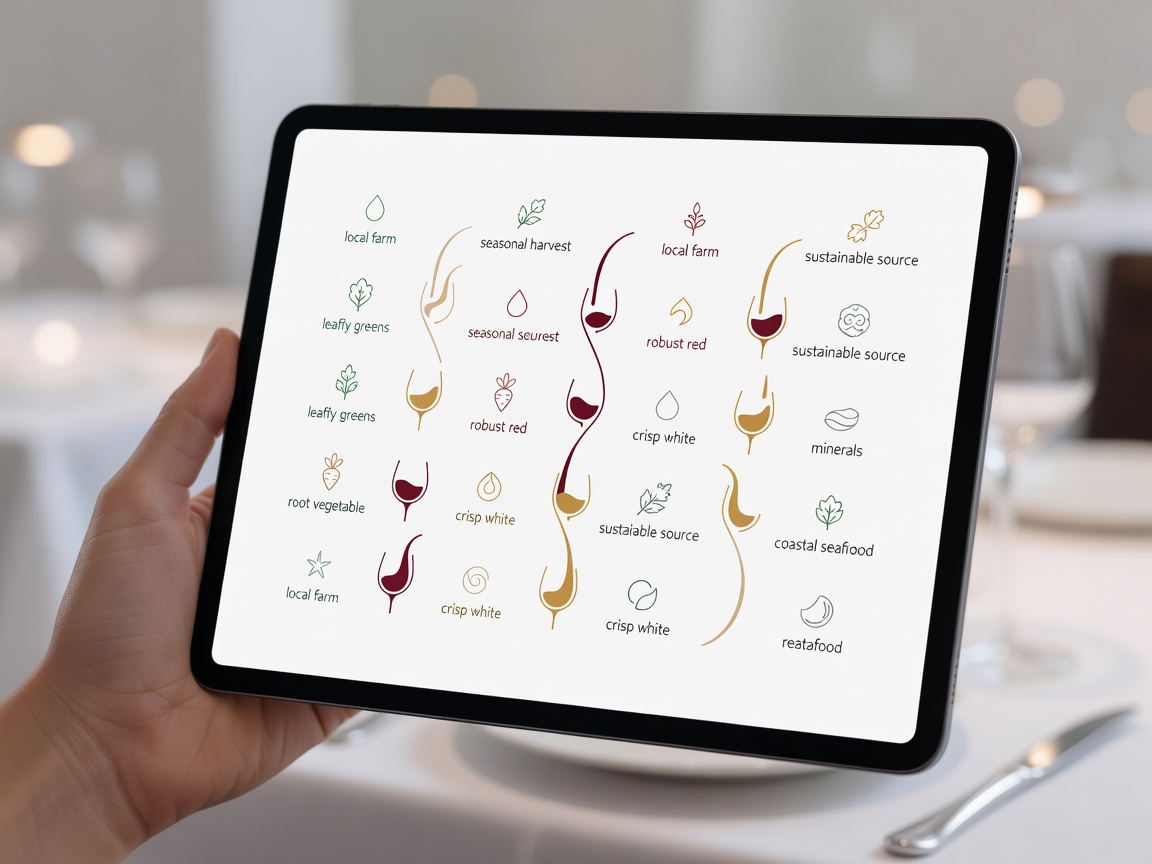
Smart dining software eliminates this information lag by binding customer-facing digital menus and waitstaff order pads directly to the kitchen inventory counter. When the line cook marks the final portion of wild turbot prepared on the prep display, the item vanishes from every digital menu in the room instantly. Furthermore, dynamic menus allow progressive kitchens to practice price elasticity and variable offering: early-bird seating menus update automatically based on prep shelf-life, minimizing end-of-service protein waste.
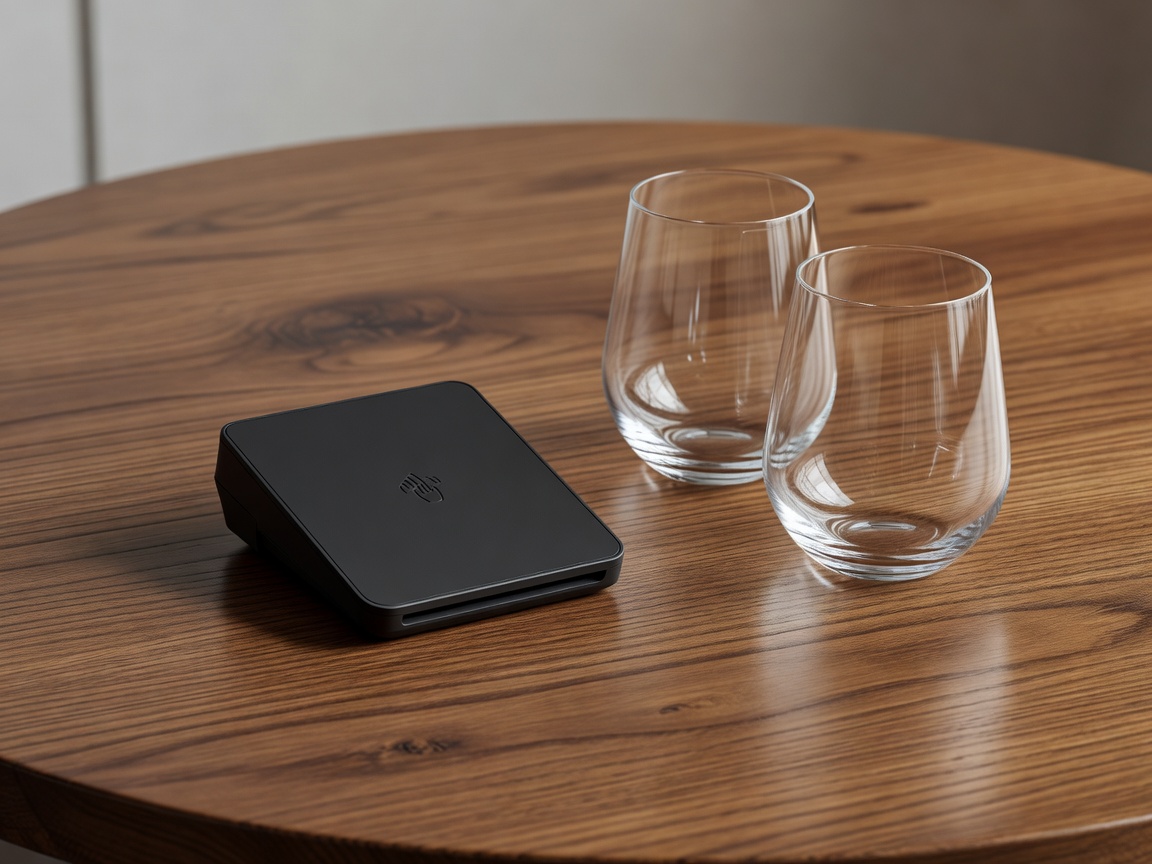
NFC integration enables immediate table closing without requiring waitstaff to step away from active room management.
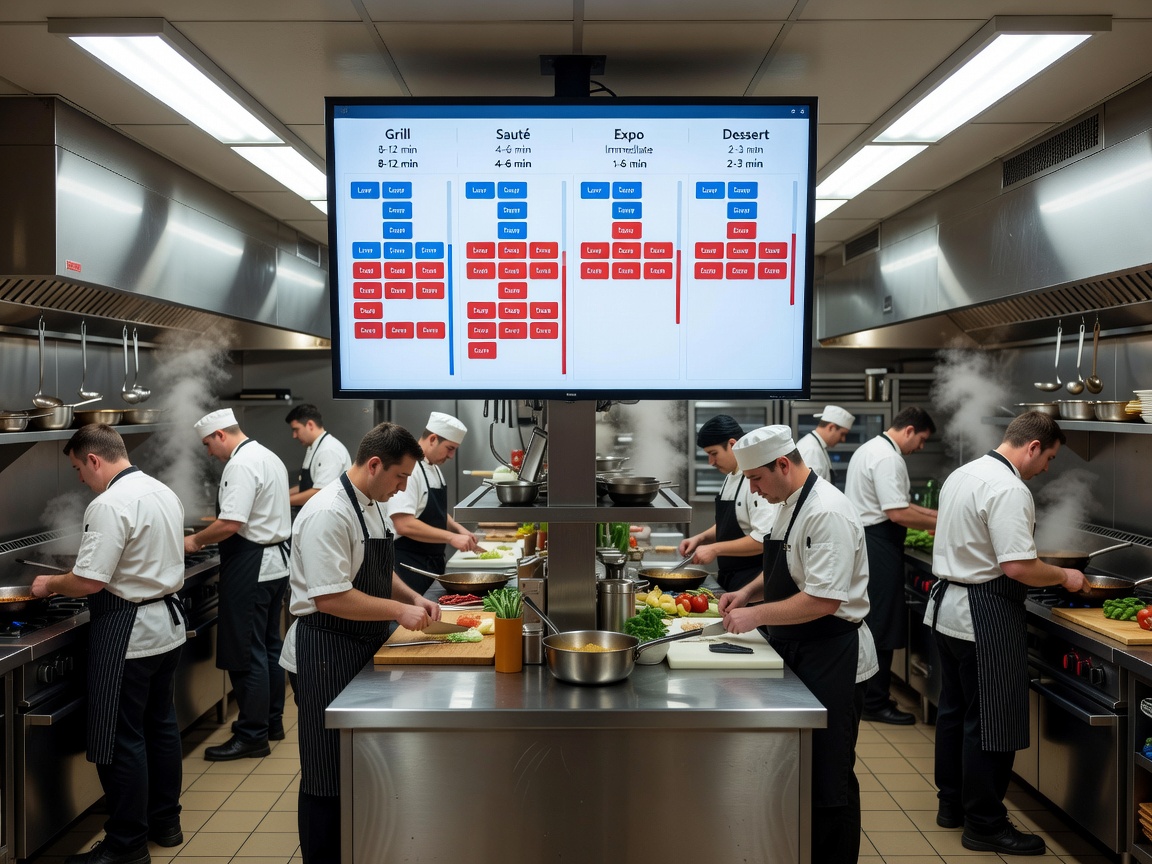
Real-time analytics visualize average course consumption times, allowing expediters to time mains with surgical accuracy.
Where Frictionless Hospitality Fails
Despite these technological merits, uncritical deployment creates sterile environments. When casual dining operations force patrons to scan a laminated code, download an application, register an email address, and order water through a phone interface, hospitality is broken. The guest is effectively put to work as an unpaid data entry clerk.
The most sophisticated operators treat smart dining tech as a quiet background assistant. The technology should handle boring administrative duties—inventory balance, payment settlement, allergy flagging—so that front-of-house staff can spend more time actually talking with guests, explaining wine pairings, and establishing genuine human connection.
Investigate the Future of Food Production
Software handles front-of-house transactions, but biotechnology is rewriting the raw ingredients delivered to the kitchen dock. Read our biological food systems report.
Read Future Food Analysis →