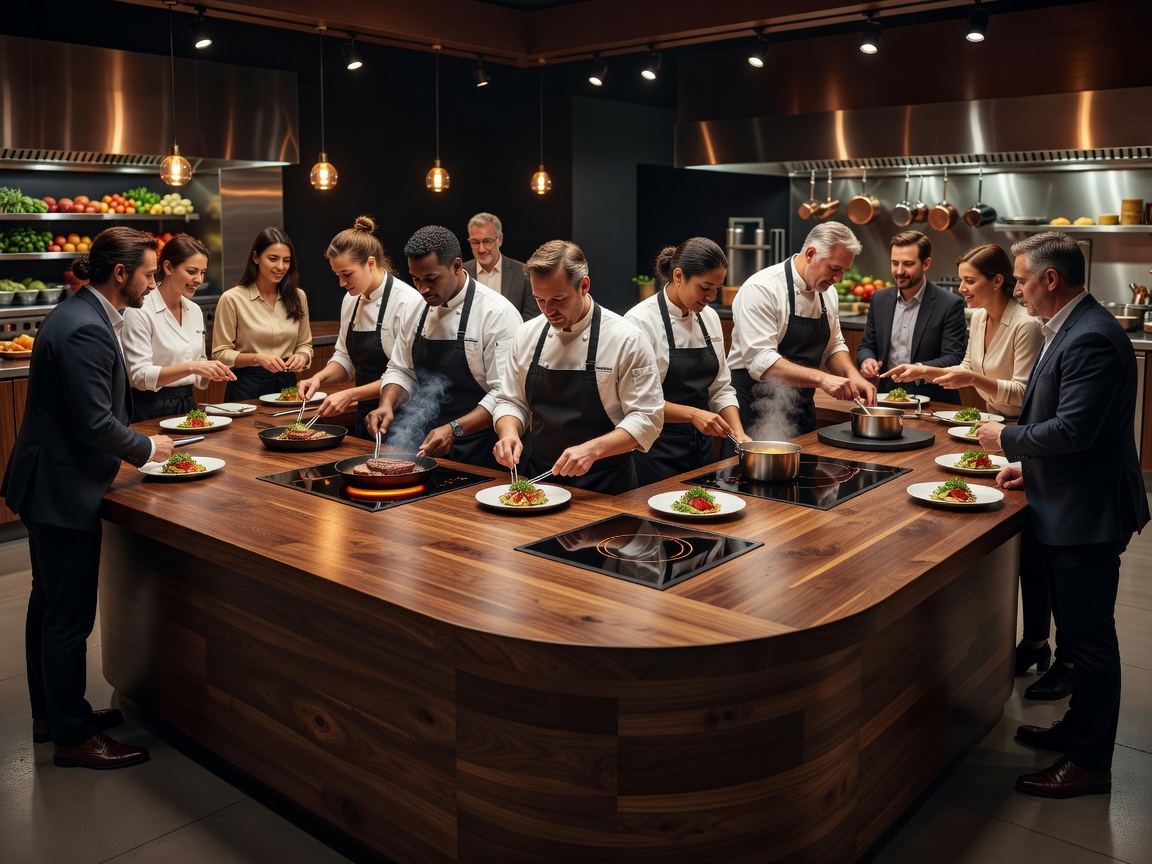
The classical brigade system established by Georges Auguste Escoffier relied on hierarchical spatial segregation. The kitchen was an engine room shrouded behind heavy swing doors, while the dining room staged a pantomime of serene detachment. Over the past decade, that structural boundary has ceased to exist in modern gastronomy. Driven by induction technology, acoustic baffles, and real-time kitchen display units, the contemporary restaurant functions as an open assembly where preparation and dining occur on the same plane.
The Geometry of the Direct-To-Chef Counter
Nowhere is this spatial evolution clearer than in the global prevalence of the dedicated chef counter. Establishments from Tokyo to London and New York have swapped the traditional spread of detached tables for monolithic counters surrounding an exposed hearth or central garnishing block. This is not purely an aesthetic gesture; it is an ergonomic necessity dictated by micro-brigades running precise multi-course menus.
When diners sit three feet from the plating station, the traditional role of the front-of-house waiter changes fundamentally. The cook delivers the dish, explains the provenance of the emulsion, and clears the previous vessel. This compression reduces labour overhead and eliminates the miscommunications typical between order pads and line expediters. Yet it simultaneously removes the buffer zone that once allowed kitchens to absorb operational delays out of sight.
Digital Menus and the Ergonomics of Guest Attention
Within these modern dining layouts, the interaction with information has also been rewritten. The initial scramble toward quick-response QR codes during emergency pandemic periods proved clumsy, alienating guests with cumbersome mobile browser sheets. The modern response has been far more disciplined: either discreet e-ink menus updated wirelessly via local sub-GHz radios, or dynamic physical paper menus custom-printed sixty minutes before service based on live inventory reconciliation.
When restaurants implement digital interfaces well, the device disappears into the architecture. In high-volume fast-casual formats, bespoke terminal totems direct traffic flow away from the kitchen entry point, preventing bottlenecks. In high-end tasting venues, digital tablets are reserved for deep-cellar sommelier references, allowing guests to search vintages, producer soil types, and cellar temperatures without requiring a four-hundred-page leather folio on the table.
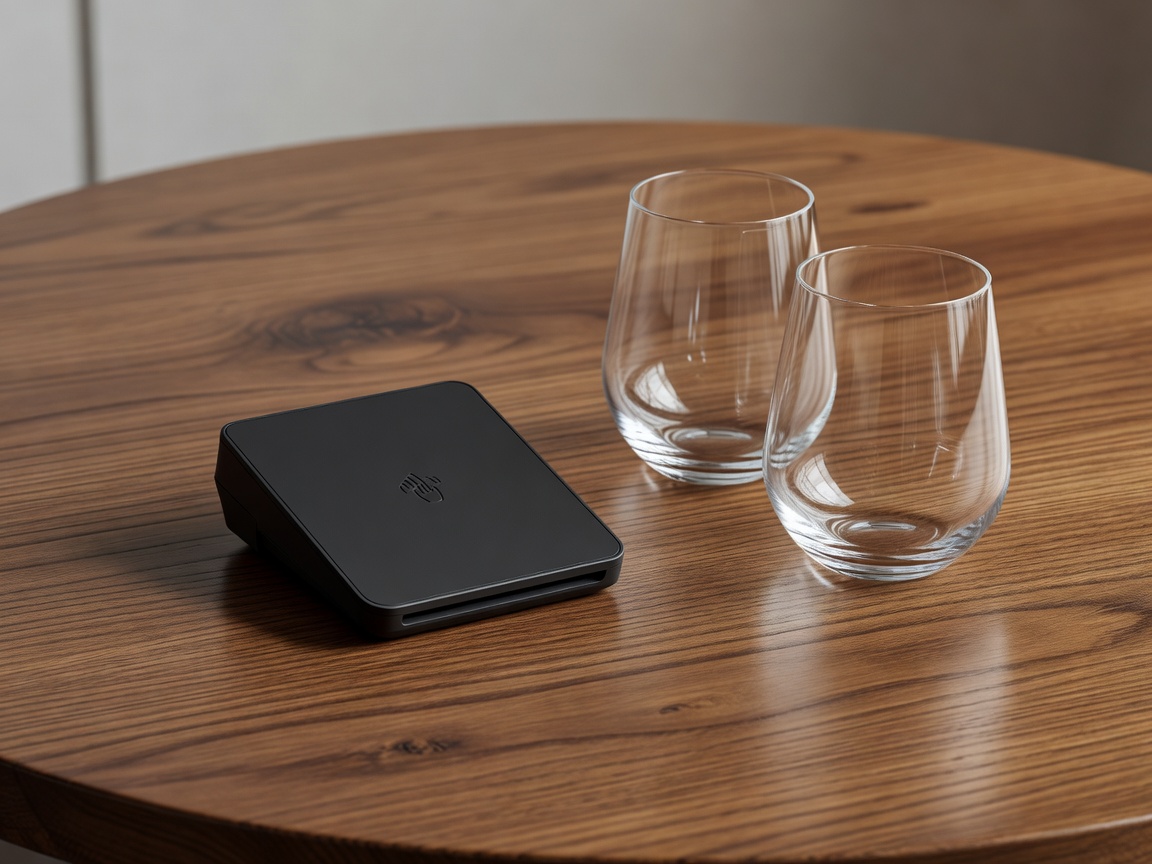
Discreet handheld transceivers eliminate the lingering post-meal payment wait, enabling rapid table turns without disrupting guest tempo.
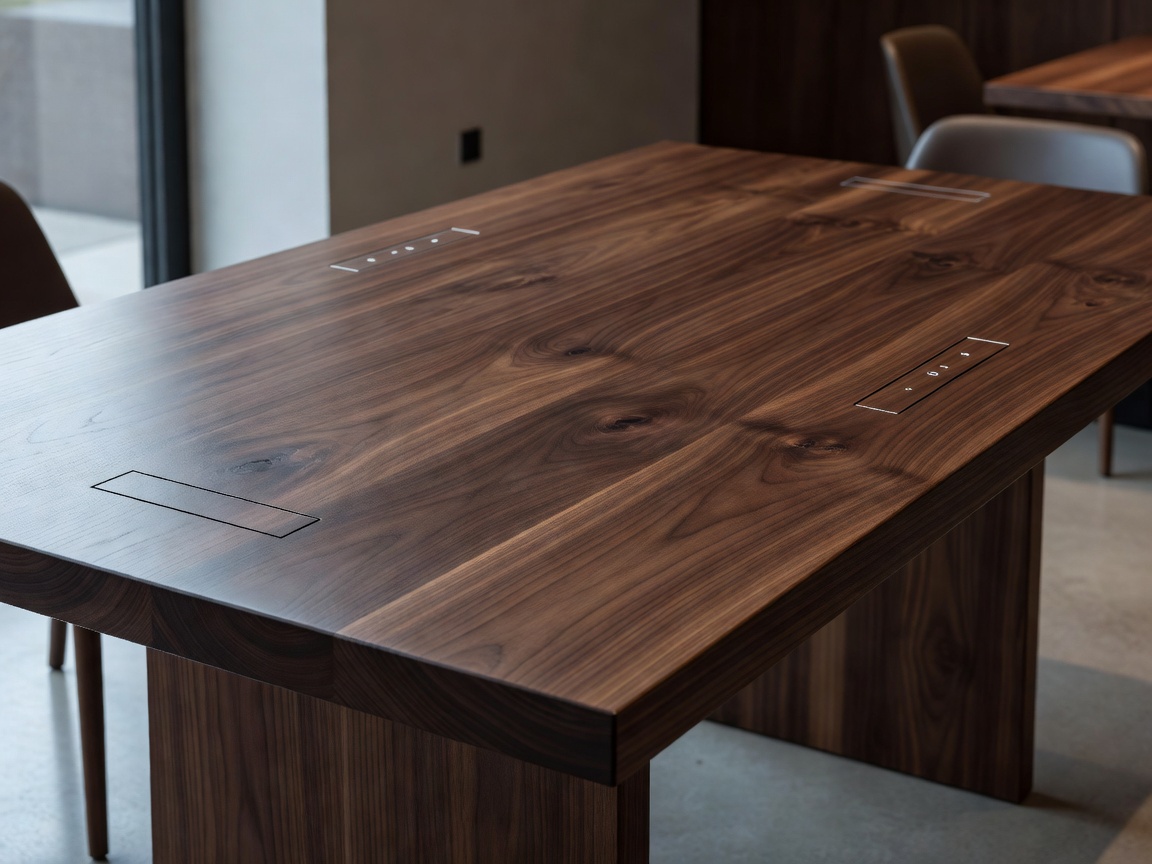
Embedded tactile elements allow patrons to signal water or service demands without visual hand-waving across the dining room.
Reservations Technology as Kitchen Gatekeeper
Modern restaurant operations no longer begin when the guest opens the front door; they begin weeks prior through reservation platforms like Tock, Resy, and SevenRooms. By requiring prepayment for tasting menus, restaurants eliminate the crippling cost of no-shows and can calculate prep quantities down to the gram. Kitchen display systems feed directly from guest profiles, alerting the chef de partie to severe crustacean allergies before the morning prep list is printed.
The trade-off is algorithmic rigidity. The impromptu regular walking in from the street is squeezed out by automated bots scraping table releases at midnight. The hospitality industry continues to wrestle with this balance: maximizing yield through digital deposit structures while retaining the organic warmth that defines civil dining.
Explore the Operations Layer
Discover how kitchen display software, automated sensor banks, and thermal telemetry link the dining counter to the back-of-house prep line.
Read Food Technology Guide →